
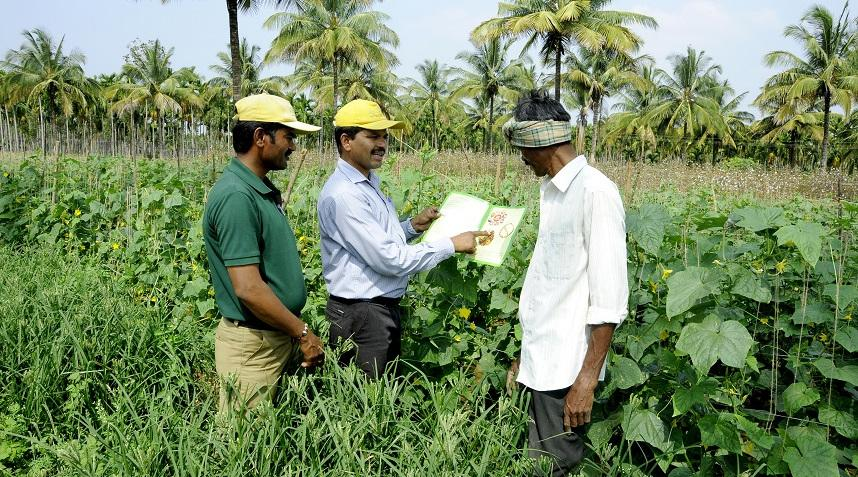
Considering the significant challenges in the supply chain for agricultural products – such as the excessive presence of middlemen, the quality disparity between desired agricultural products & the products available in the market, and fluctuating prices – the trend of contract farming has seen a significant uptake. Companies are willing to engage with farmers in a manner that benefits both parties. Often touted as the solution to issues plaguing small landholding farmers, the initiative has seen a significant boost recently, following the legalisation of the process in 15 States and Union Territories in India in February 2025. This legalisation, coupled with supportive government policies and initiatives, has created a conducive environment for contract farming to thrive. In light of such positive news, the inevitable question arises: Is Contract Farming the most viable solution to the plaguing agricultural problems?
Firstly, what is contract farming? In simple terms, it is a form of partnership in which the terms and conditions (contract) are agreed upon in advance between the farmers (producers) and buyers. The conditions usually specify the quality and quantity of the product demanded by the buyer, the price to be paid to the farmer, and the delivery date of the product to the buyer.
At first glance, such a schematic seems to resolve several issues.
- The presence of a direct link between producer and buyer eliminates most middlemen. Effectively, the cost and time involved in process flow are reduced both ways.
- Considering buyer insistence on quality and quantity, input and production services are often provided by the buyer. This typically occurs through advances to the farmer on credit. Seeds, fertilisers, pesticides, input implements, and technology are all provided by the buyer in advance.
- Similarly, the farmer gains exposure to new skills and technologies being used in the agricultural domain. With the advent of digital platforms and precision farming techniques, contract farming is more than just the exchange of produce and money. It’s also about the transfer of knowledge and technology, empowering farmers with the latest tools and methods to enhance their productivity and sustainability.
- Contract farming offers a promising solution to the issue of fluctuating prices. By specifying prices in advance, farmers gain a sense of security. Moreover, this model opens up new markets that would have otherwise been inaccessible to smaller farmers, thereby expanding their opportunities and contributing to the growth of the agricultural sector.
- For the buyer, working directly with farmers enables them to overcome land restrictions for production, resulting in more reliable and consistent quality than if purchases were made on the market.
During our project coordinator, Mr Kishor’s visits, I arranged a trip to the land of a contract farmer, Hanumanthappa, in Sushilanagara Village, Sandur Taluka. He is engaged in contract farming for the production of a unique breed of cucumbers called ‘gherkin’ – also known as pickled cucumbers. In a geography dominated by oilseed and corn production, farmers like Hanumanthappa can pursue innovative ideas through contract farming. He possesses a sure-shot market, negotiating a product rate significantly better than his counterparts assures profitability, and the risk for his other crops is mitigated effectively.
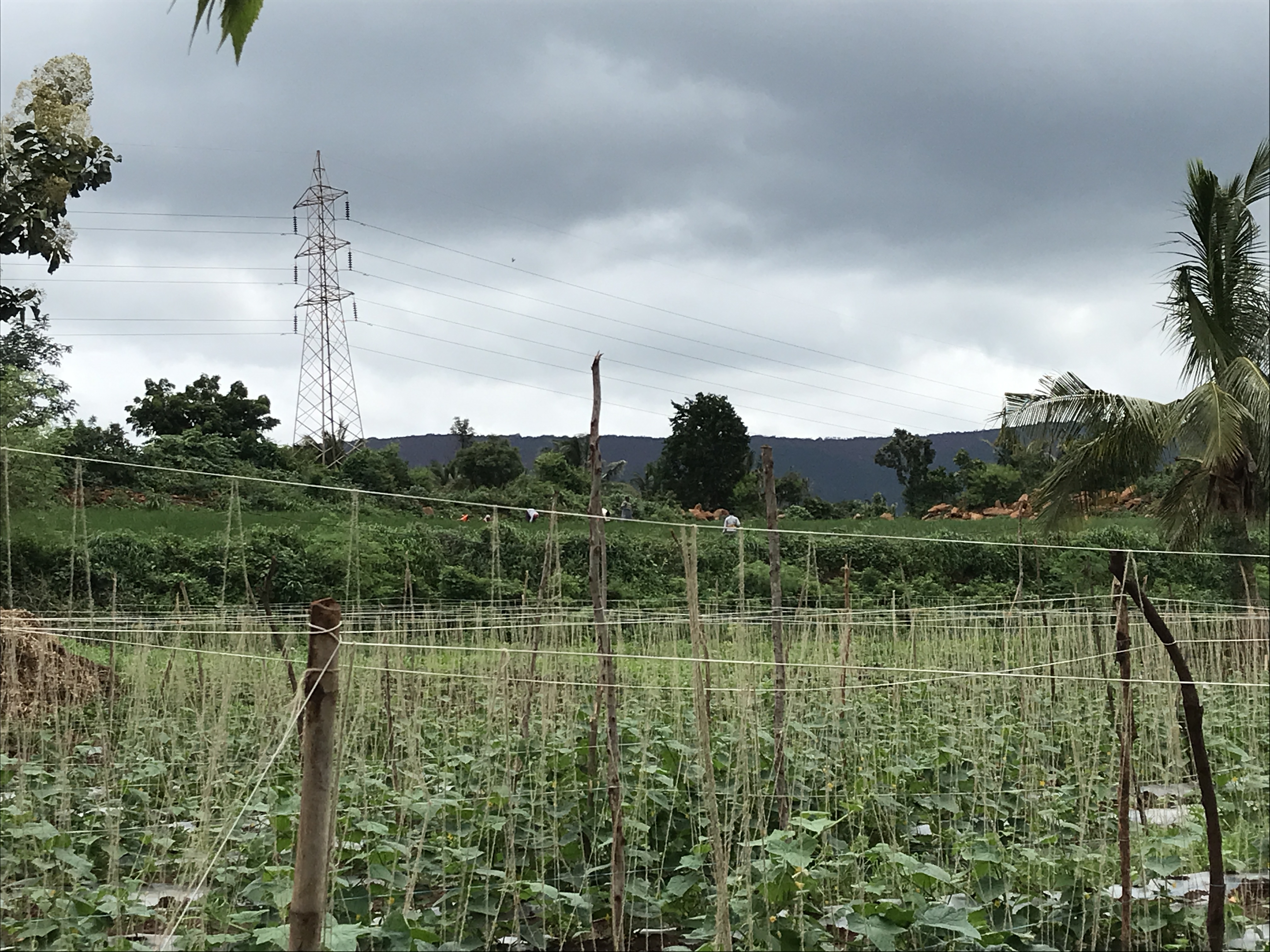
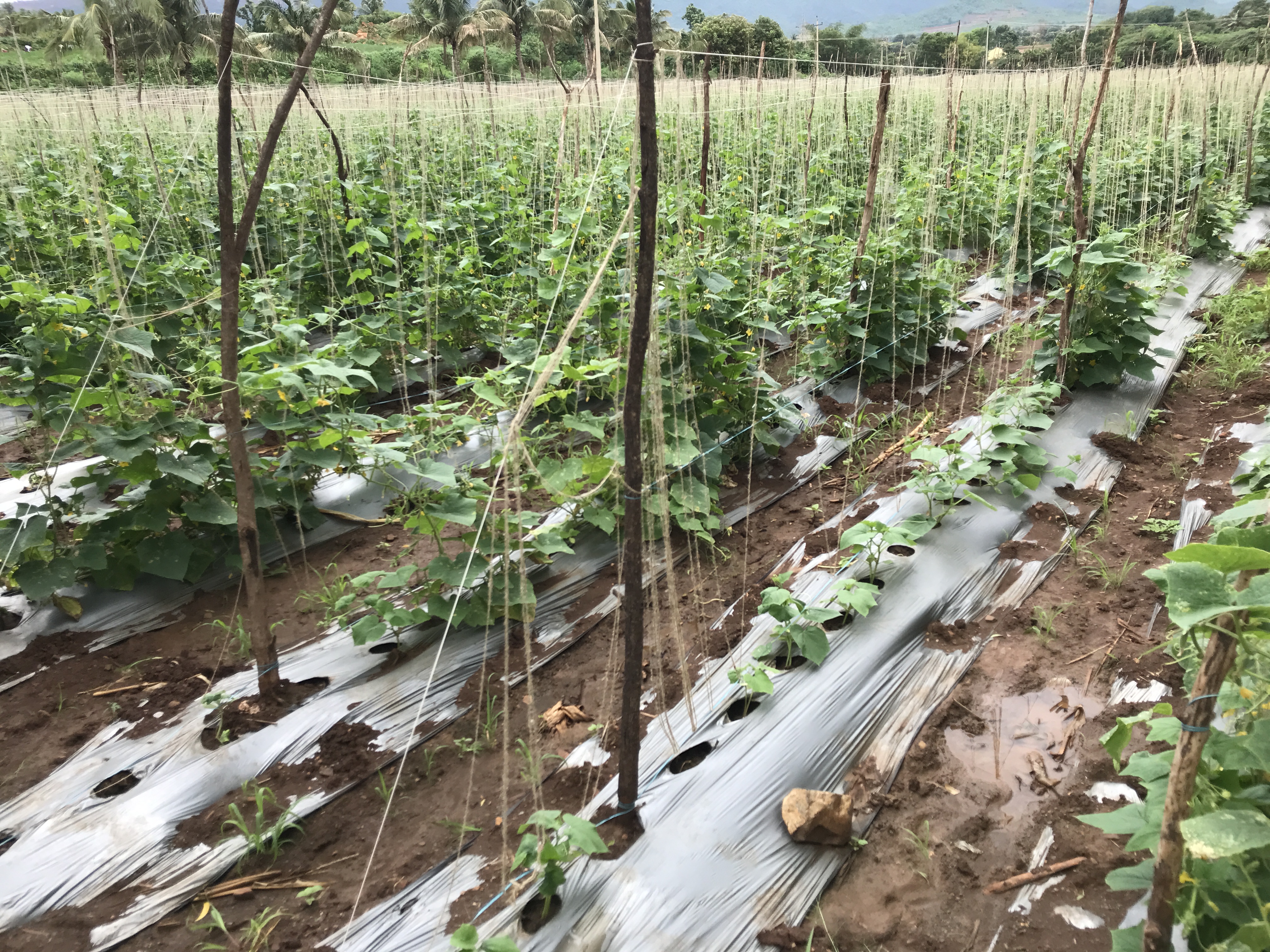
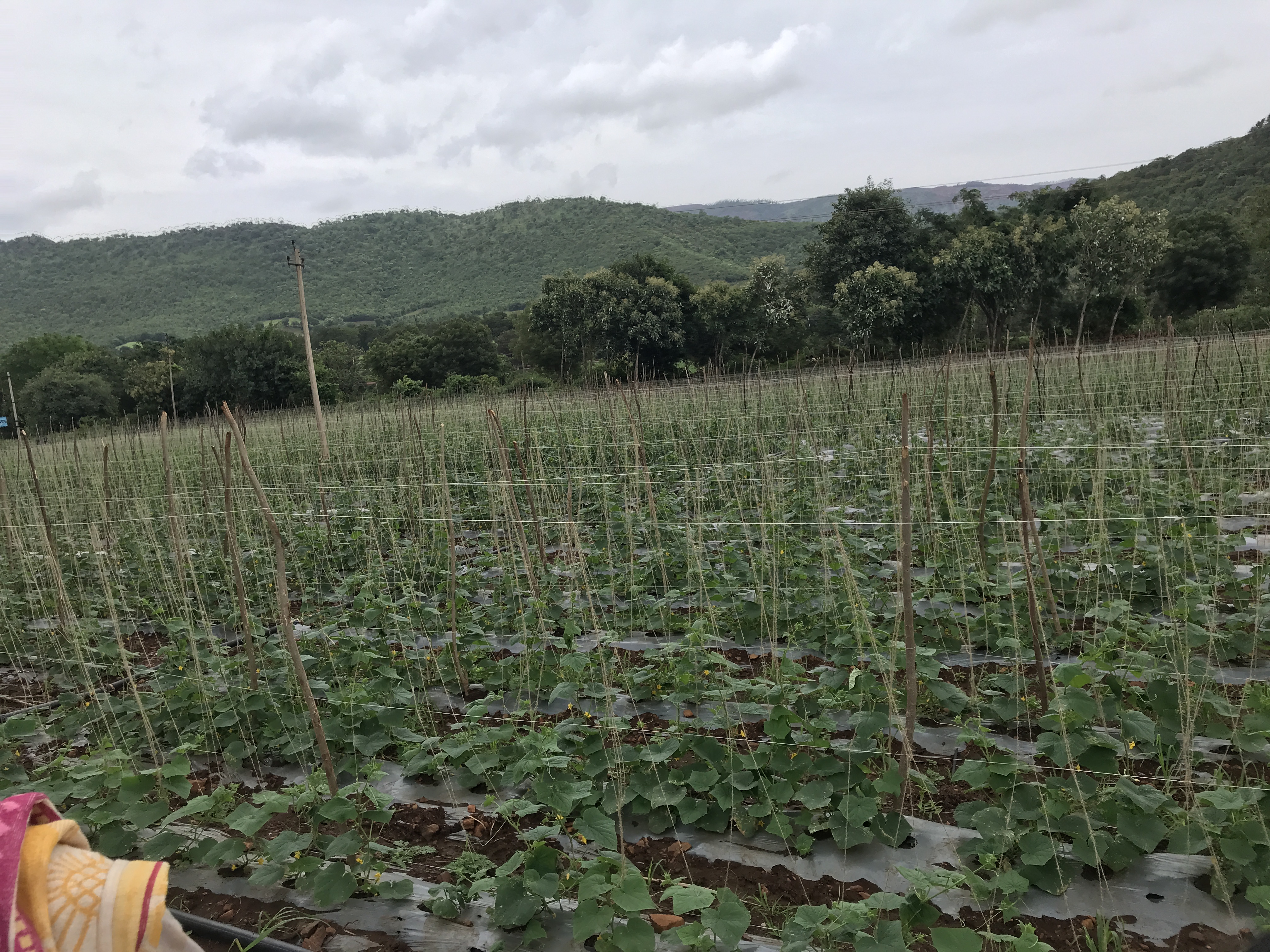
If contract farming is as beneficial as Hanumanthappa makes it seem, why don’t other farmers follow this? Why aren’t the CEOs of Farmer Producer Organizations (FPOs) placing companies dependent on agricultural products on the highest priority and striking deals?
This is due to the observed (and sometimes unobserved) hurdles that contract farming entails. Most of them exist due to fluctuations in the balance of authority between the buyer and farmer.
- One of the significant challenges in contract farming is the potential for production issues, particularly when cultivating new crops. Farmers must carefully consider the risk of market failure and the need for careful planning and execution, which may deter some from adopting this model.
- From the farmer’s point of view, the buyer company may exploit the monopoly of their crop, especially if the farmers only carry out contract farming plantations. This can occur through corruption at any stage of the contract farming supply chain or inefficient management, leading to the manipulation of farmer quotas (percentages of return) and product quality specifications (to reduce purchases or renegotiate prices). Added to this is the potential for overreliance on advances for equipment, which may lead to indebtedness and a reduction in profit margins.
- From the buyer’s point of view, the constraints regarding land availability (if the land is rented from someone else), social and cultural constraints (leading farmers to disregard the agreed timeline or the appropriate farming techniques) and farmer discontent due to buyer-induced behaviours (such as discriminatory buying, unreliable transportation and late payments) are all factors which limit their interest to pursue contract farming. Furthermore, the farmers’ perceived propensity to divert inputs to other purposes, sell excess produce outside the contract bounds, and follow techniques not agreed upon in contracts are significant concerns for the buyer.
- The concerns over the impact of the seeds and techniques provided by buyers on land productivity & ecosystem, as well as the tug-of-war between the effectiveness of buyer-prescribed techniques and locally adapted techniques, may cause instability in the balance of authority. (Do read up on genetically modified Seeds and their effects and the Ricetec Basmati patent case. Links are provided below)
While it may seem simple to ensure a direct market and profitability for farmers, the ownership of the product and process remains a persistent bone of contention between farmers and buyers. Addressing these needs is crucial to ensure the successful implementation of contract farming. When implemented effectively, the method has incredible potential to bridge the gap between farmers and buyers.
Ricetec Basmati Patent: https://thelegalschool.in/blog/basmati-rice-geographical-indication-case
Concern over GM Crops: https://www.downtoearth.org.in/agriculture/gm-crops-undesirable-for-india-say-farmer-leaders-demand-comprehensive-discussion-in-national-policy